Product overview
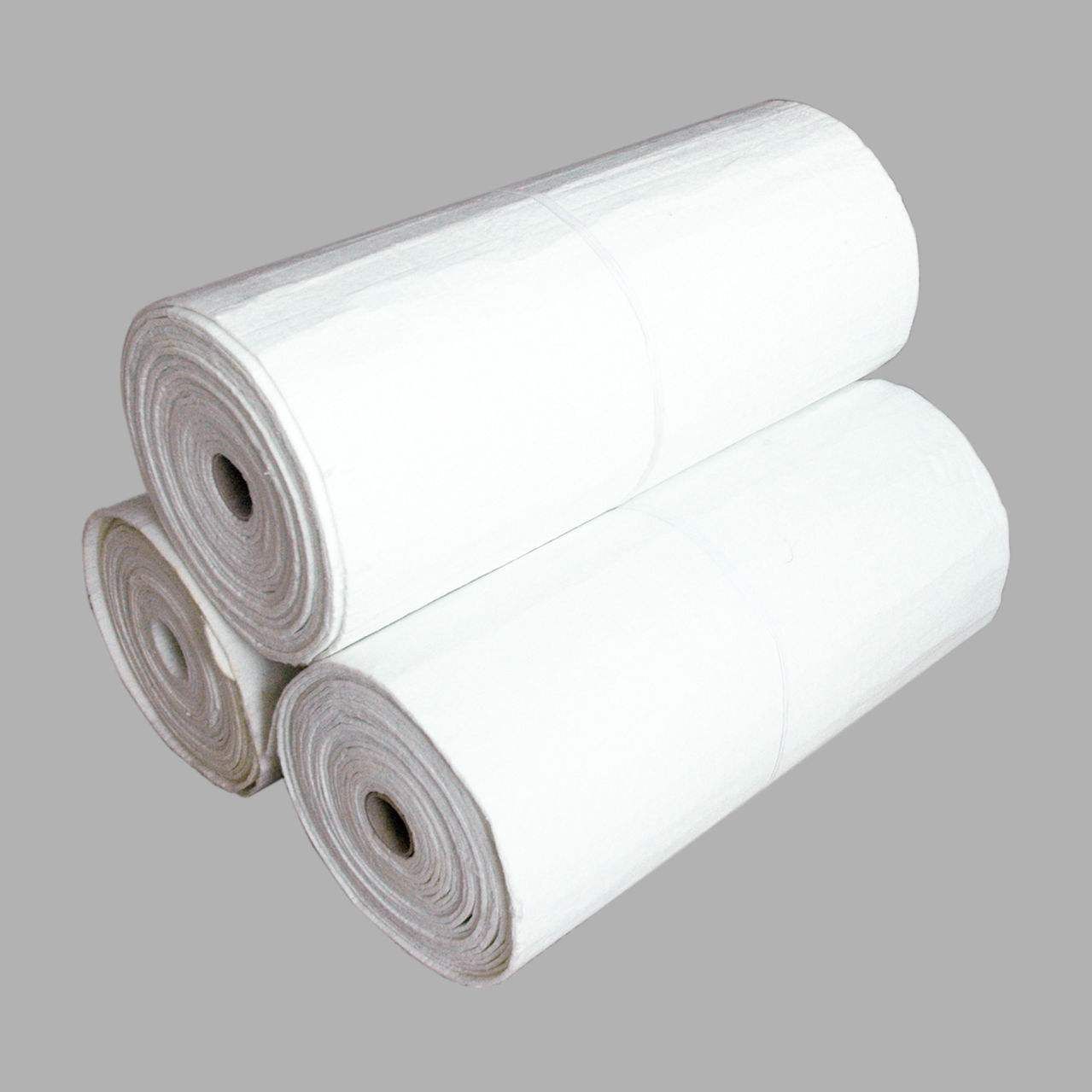
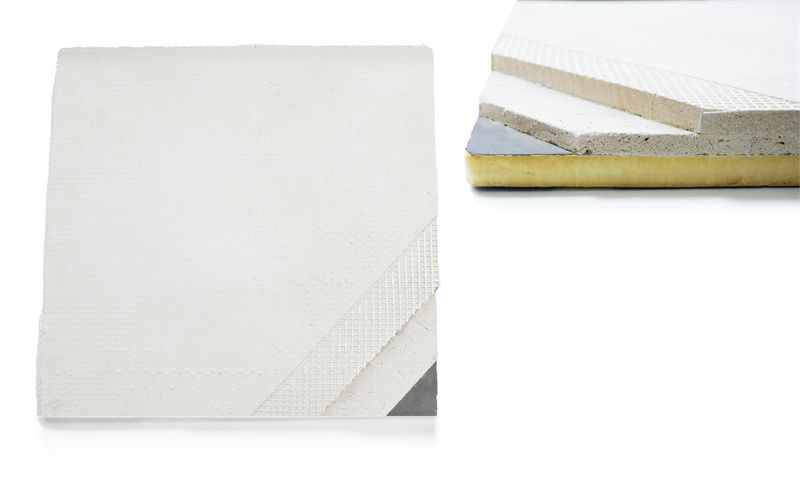
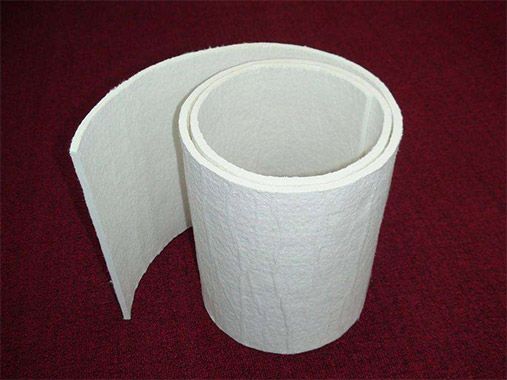
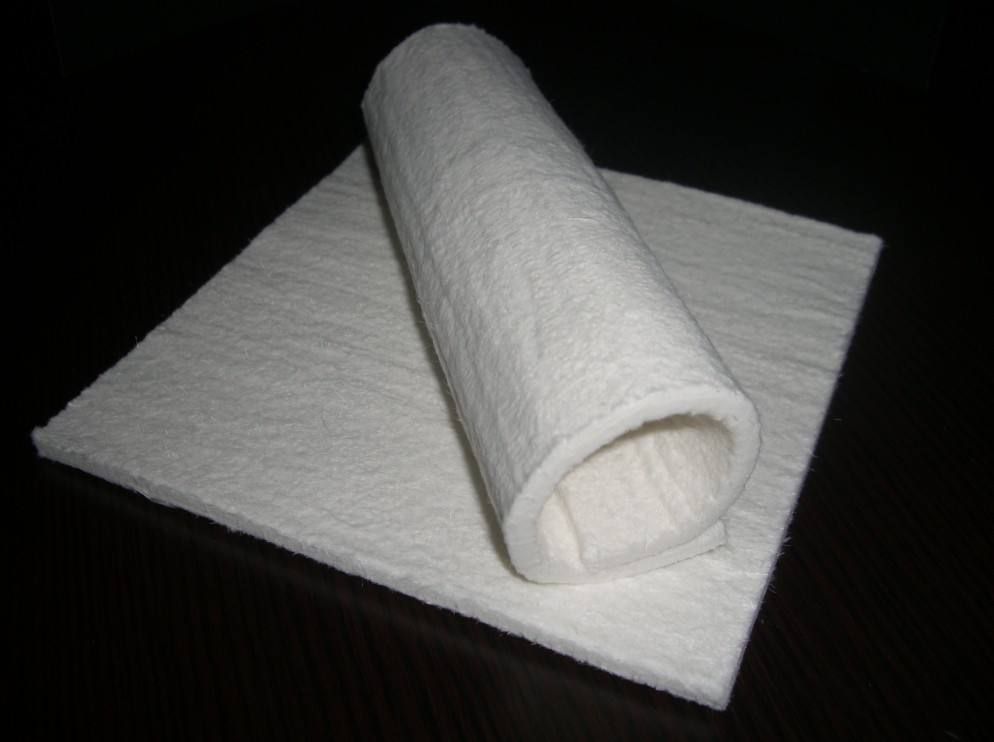
TS-DM750 series nanoporous membrane is a flexible thermal insulation material composed of nano mesoporous silica and inorganic fiber materials through a special process. Among them, nanoporous silica has a special nanoscale three-dimensional pore structure, high specific surface area and large porosity. The composite nanoporous thermal insulation material has low thermal conductivity, low density, overall hydrophobicity, high temperature stability, fire retardant (A1 level), sound insulation and noise reduction and other excellent properties. It is safe, energy-saving, green and environmentally friendly.
Performance indicators
| Parameter items | Technical indicators |
|---|
| Average 500℃ thermal conductivity | ≤0.089W/(m·K) |
| upper temperature limit | 650℃ |
| Waterproof performance | Overall hydrophobic (hydrophobic rate ≥98%) |
| Combustion level | Class A1 non-combustible |
| density | 210±8.5% kg/m³ |
| Packaging specifications | 1×20m (rolled material) |
| Optional thickness | 5mm, 10mm |
Main applications
- Main steam pipeline and reheat steam pipeline of ultra-supercritical unit
- Thermal insulation of nuclear power facilities
- Petrochemical high temperature pipeline insulation
- Medium and high temperature furnace insulation
- Fire protection and insulation for locomotives and ship hulls
Core advantages
- Ultra low thermal conductivity: Average 500℃ thermal conductivity ≤0.089W/(m·K), thermal insulation efficiency far exceeds traditional materials
- Overall hydrophobic: Hydrophobicity ≥98%, effectively preventing performance degradation caused by moisture penetration
- Class A1 fire protection: Reaching the country’s highest fire protection level A1, non-combustible, safe and reliable
- Flexible roll material: Can be bent and wound to adapt to the insulation construction of various complex pipes and special-shaped structures
- Lightweight and efficient: The density is only 210 Kg/m³, which reduces the weight of the insulation layer and reduces the load of the supporting structure.
- High temperature resistance: The upper limit of operating temperature is 650°C, meeting the long-term stable operation requirements under high temperature conditions.