
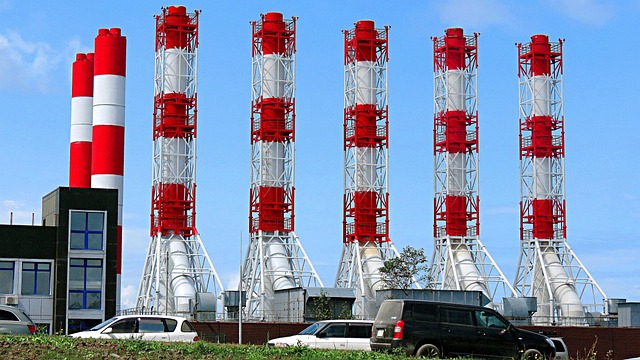
The global manufacturing industry moves towards sustainable development: low-carbon, energy-saving and green financial policies lead the future
introduction
With the increasing global awareness of environmental protection, sustainable manufacturing has become the focus of many countries and companies. The application of low-carbon and energy-saving technologies, the support of green financial policies, and the promotion of international cooperation projects are gradually changing the traditional model of manufacturing and promoting green transformation. This article will combine reports from Siemens, China Science and Technology Network, Flextronics and the 41st American West Manufacturing Exhibition to discuss the latest developments and future trends in sustainable manufacturing.
Technology leadership: application of low carbon energy saving in manufacturing industry
Siemens’ vision for a new era
According to Siemens reports, the global manufacturing industry is moving towards a new low-carbon and energy-saving era. As a leading global technology company, Siemens has launched a number of innovative solutions aimed at helping the manufacturing industry improve energy efficiency and reduce carbon emissions. For example, its smart factory system can realize real-time energy consumption monitoring and optimization to ensure that resources in the production process are effectively utilized, thereby achieving the purpose of energy saving and consumption reduction.
Flextronics’ Sustainability Strategy
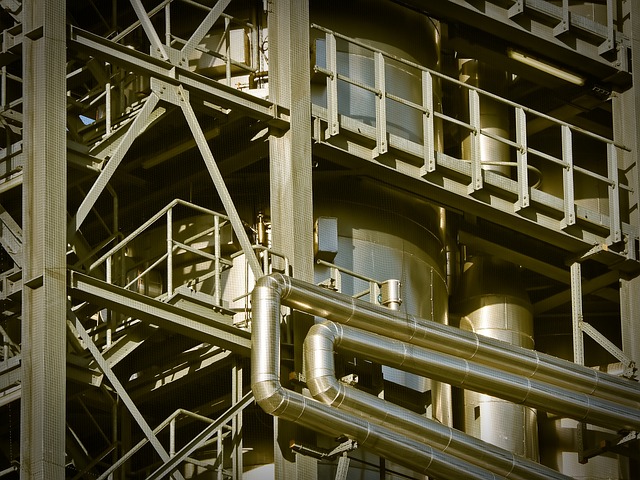
Flextronics mentioned in its latest report that the company is committed to becoming a leader in sustainable manufacturing. Flextronics reduces its impact on the environment by adopting circular economy principles such as recyclability in product design and energy efficiency in production processes. In addition, the company also invests in clean energy projects to reduce the proportion of fossil fuels in electricity consumption, which not only helps environmental protection but also saves costs for the company.
Policy Support: Financial Policies to Promote Green Factories
Policy-level support is an indispensable part of promoting green manufacturing. China Science and Technology Network reports that the Chinese government has recently introduced a series of new financial policies aimed at accelerating the growth of green factories. These policies include providing low-interest loans, tax exemptions and other preferential measures, and encouraging enterprises to adopt advanced environmental protection technologies and equipment to achieve green production processes.
International Perspective: The Focus of the 41st US-Western Manufacturing Exhibition
At the 41st US-Western Manufacturing Exhibition in 2026, the application of precision technology and automation has become the biggest highlight of the exhibition. Numerous exhibitors showcased the latest automation solutions designed to increase production efficiency while reducing negative environmental impact. This not only reflects the emphasis on sustainable manufacturing in North America, but also indicates the possible development direction of global manufacturing in the future.
Case Study: Oman’s Green Aluminum Project
Globally, not only developed countries are promoting the green transformation of manufacturing, but developing countries are also actively responding to this trend. Alcircle’s report shows that Oman is planning to launch multiple green aluminum projects in the Duqm SEZ. These projects aim to use renewable energy, such as solar and wind energy, for aluminum production and processing, reducing dependence on traditional fossil fuels and having a positive effect on local and global environmental protection.
in conclusion
The development of sustainable manufacturing requires the joint efforts of technology, policy and international collaboration. From the technological innovation of companies such as Siemens and Flextronics, to the green financial policy support provided by the Chinese government, to the use of renewable energy to promote the greening of the aluminum industry in Oman, we can see that a strong green manufacturing trend is forming around the world. In the future, with the continuous advancement of technology and the continuous improvement of policies, more traditional manufacturing industries are expected to achieve green transformation and contribute to global sustainable development.
📰 Reference source
- A new era of manufacturing: low carbon and energy saving- Siemens (2026-02-13)
- New Finance Policy to Boost Green Factory Growth- 中国科技网 (2025-12-26)
- 引领可持续制造业的转折点- Flextronics (2026-04-21)
- 美西製造業41屆展會 聚焦精密技術與自動化- 大纪元 (2026-02-06)
- Oman eyes green aluminium expansion with new projects in Duqm SEZ- alcircle (2026-05-07)
❓ FAQ
全球制造业如何实现可持续发展?
全球制造业通过应用低碳节能技术、得到绿色金融政策的支持以及推动国际合作项目来实现可持续发展。这些措施正逐步改变制造业的传统模式,促进其向更环保的方向转型。
Siemens在促进制造业绿色转型方面有何贡献?
Siemens作为全球领先的技术企业,推出了多项创新解决方案,如智能工厂系统,能够实现实时能耗监测与优化,帮助制造业提高能效、减少碳排放,从而有效利用资源,达到节能降耗的目的。
Flextronics采取了哪些措施来促进可持续发展?
Flextronics致力于采用循环经济原则,包括产品设计的可回收性和生产过程的能效提升,减少对环境的影响。同时,公司投资清洁能源项目,减少电力消耗中化石燃料的比例,既有助于环境也节省了成本。
中国政府为促进绿色工厂的增长出台了哪些金融政策?
中国政府最近出台了包括提供低息贷款、税收减免等在内的多项金融政策,以促进绿色工厂的发展。这些政策旨在鼓励企业采用先进环保技术和设备,使生产过程更加绿色化。
阿曼的绿色铝项目有何特点?
阿曼在杜克姆经济特区(Duqm SEZ)计划开展的绿色铝项目,旨在利用太阳能和风能等可再生能源进行铝的生产和加工,减少对传统化石燃料的依赖。这一项目对当地乃至全球的环境保护具有积极作用。