
Sustainable manufacturing: Towards a new chapter in low-carbon and smart transformation
introduction
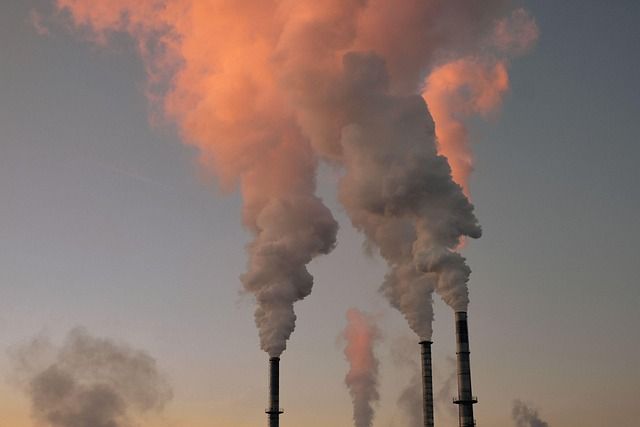
With the global awareness of environmental protection continuing to increase and the rapid development of technology, the manufacturing industry is undergoing a profound change. Low carbonization, energy saving and intelligence have become important trends in sustainable manufacturing today. From Siemens' Fürth sustainable development lighthouse factory to Metalktech & Automex's intelligent and sustainable manufacturing transformation, a series of innovative practices are driving the manufacturing industry to develop in a more sustainable direction. This article will explore the latest developments in sustainable manufacturing based on recent real news material.
Industry trends
Siemens’ low-carbon and energy-saving manufacturing
exist
Specifically, Siemens has adopted a series of innovative solutions, including using renewable energy, improving energy management systems, implementing green logistics and supply chain management, etc. The implementation of these measures has enabled Siemens to improve production efficiency while reducing its impact on the environment, demonstrating the feasibility and importance of sustainable manufacturing.
Fürth Lighthouse Factory: a model for sustainable manufacturing
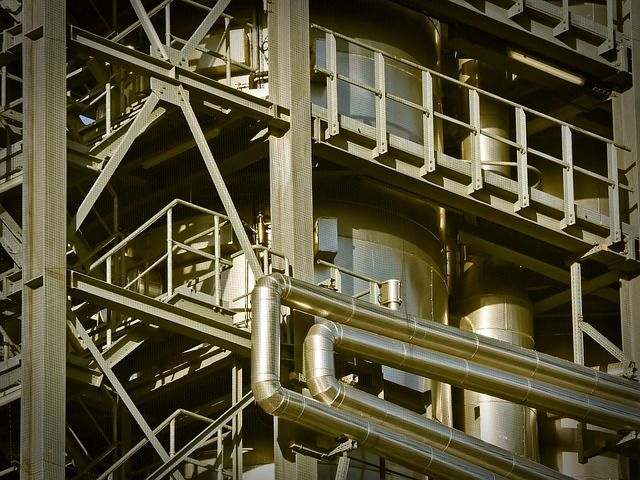
In the article "Lighthouse Factory for Sustainable Development in Fürth", Siemens further introduced one of its factories in Fürth, Germany, which was named the "Lighthouse Factory" for sustainable development. The Fürth factory has achieved efficient use of resources and low-carbon production processes by adopting advanced automation technology and intelligent management systems. The factory not only implements a number of environmental protection measures internally, but also actively participates in global sustainable development projects and shares its successful experiences.
According to Siemens, the energy efficiency of the Fürth plant has increased by 30% and carbon emissions have been reduced by 50%. The achievement of these results fully proves the huge potential and value of sustainable manufacturing in practical applications.
The transformation direction of intelligent and sustainable manufacturing
In "METALTECH & AUTOMEX 30th Anniversary, Leading the Transformation and Upgrading of Intelligent and Sustainable Manufacturing", eNanyang reported on how the two companies METALTECH & AUTOMEX promoted the intelligent and sustainable development of the manufacturing industry through technological innovation on the occasion of their 30th anniversary. METALTECH & AUTOMEX demonstrated a number of cutting-edge technologies, such as automated production lines, smart sensors and data analysis systems. The application of these technologies has greatly improved production efficiency while reducing resource waste and environmental pollution.
The "green manufacturing" concept jointly advocated by the two companies not only focuses on environmental protection during the production process, but also emphasizes the sustainability of the product life cycle. For example, we can reduce resource consumption and waste generation by designing recyclable products and extending product service life.
Economic benefits of sustainable manufacturing
Autodesk pointed out in its article "How Can Sustainable Manufacturing Save You Money and Help the Planet" that sustainable manufacturing is not only a need for environmental protection, but also the key to improving the competitiveness of enterprises. The article illustrates through case analysis that by implementing sustainable manufacturing, companies can not only reduce costs and improve efficiency, but also enhance their brand image and win the trust and support of more customers.
Autodesk emphasizes the role of circular economy in sustainable manufacturing and encourages companies to take measures to promote the effective use of resources, such as material recycling, product remanufacturing, etc., which are effective ways to achieve cost savings and environmental friendliness.
in conclusion
With the advancement of technology and society's increasing attention to sustainable development, more and more manufacturing companies have begun to explore and implement low-carbon, energy-saving, and intelligent manufacturing methods. The practices of companies such as Siemens, METALTECH & AUTOMEX have shown that sustainable manufacturing can not only reduce the company's negative impact on the environment, but also bring significant economic benefits. In the future, with the application of more advanced technologies, the sustainable development of manufacturing will enter a new stage.
📰 Reference source
- Hybrid Factory/Hybrid City- World-Architects (2026-05-15)
- 制造业新时代:低碳与节能- Siemens (2026-02-13)
- How Can Sustainable Manufacturing Save You Money and Help the Planet- Autodesk (2026-05-10)
- 菲尔特可持续发展灯塔工厂- Siemens (2026-02-13)
- METALTECH & AUTOMEX 30周年 引领智能与永续制造转型升级- e南洋 (2026-05-06)
❓ FAQ
全球制造业面临的重大变革趋势是什么?
全球制造业正经历一场深刻的变革,主要趋势是低碳化、节能化和智能化。
西门子在可持续制造方面采取了哪些措施?
西门子通过引入先进的能效技术、优化生产流程、使用可再生能源、改进能源管理系统、实施绿色物流和供应链管理等措施来推动其低碳与节能制造。
Siemens的菲尔特工厂为何被称为可持续发展的‘灯塔工厂’?
菲尔特工厂因其采用先进的自动化技术和智能化管理系统,实现了资源的高效利用和生产过程的低碳化,同时内部实施多项环保措施并积极参与全球可持续发展项目,故被称为‘灯塔工厂’。
METALTECH & AUTOMEX如何通过技术创新实现制造业的转型?
在成立30周年之际,METALTECH & AUTOMEX通过展示自动化生产线、智能传感器和数据分析系统等前沿技术,极大地提高了生产效率,减少了资源浪费和环境污染,推动了制造业的智能化与可持续发展。
可持续制造对企业有哪些经济效益?
Autodesk的文章指出,可持续制造不仅可以帮助公司降低成本、提高效率,还能增强品牌形象,赢得客户信任和支持,是企业提高竞争力的关键。