
Sustainable manufacturing enters a new era: two-wheel drive of policy and technology
introduction
As the world pays increasing attention to environmental issues, sustainable manufacturing has become a new trend in industrial development. Recently, multiple news reports have shown that both leading companies such as Flextronics and Siemens, as well as the introduction of new policies at the national level, are injecting new impetus into this field. At the same time, advances in materials science have also provided strong support for the development of sustainable manufacturing.
Enterprises lead the trend
Flextronics: Leading the turning point in sustainable manufacturing
Flextronics recently announced that it will implement a series of innovative measures globally to reduce resource consumption and environmental pollution in the production process and promote the industry to develop in a more sustainable direction [News 1]. As a giant in the field of electronic manufacturing services, this move by Flextronics is expected to have a profound impact on the entire industry, which not only involves the improvement of its own production processes, but also includes cooperation with suppliers and customers to jointly build a greener supply chain system.
Siemens: Sustainability lighthouse factory in Fürth
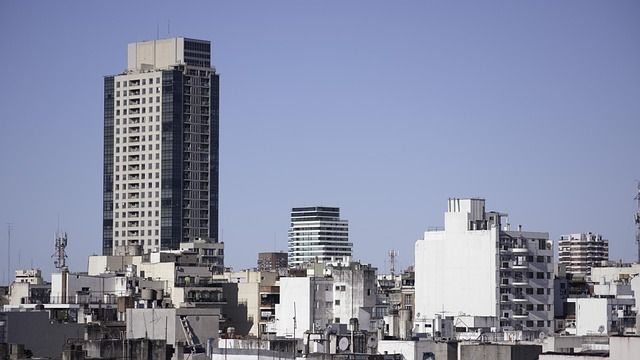
Siemens has implemented a series of sustainable development projects at its factory in Fürth, Germany, and is known by the industry as a "sustainable development lighthouse factory" [News 2]. By adopting advanced energy management systems, intelligent production process optimization technology, and recycled materials, the factory has achieved a significant reduction in energy consumption, a significant increase in production efficiency, and reduced negative impacts on the environment. This practice of Siemens has set a model for other manufacturing companies.
Policy Support and Advances in Materials Science
China Science and Technology Network reports: New financial policies promote the growth of green factories
A report from China Science and Technology Network pointed out that the Chinese government has recently launched a series of financial policies aimed at encouraging and supporting the construction and development of green factories [News 3]. These policies include the provision of low-interest loans, tax incentives and other measures, which are of great significance for reducing the carbon footprint in industrial production and promoting the recycling of resources. With the implementation of policies, it is expected that more manufacturing companies will join the ranks of green transformation.
IDTechEx Research Report: Innovation at the Top of the Materials Chain
According to the latest research report released by IDTechEx, "The Top of the Material Chain - Advanced Coatings to Key Minerals" [News 4], the field of materials science is currently ushering in a revolution. From high-performance environmentally friendly coatings to key minerals used in clean energy technologies, the application of these innovative materials not only improves product performance, but also effectively reduces the environmental impact of the production process. The report notes that these advances in materials science are critical to advancing the development of sustainable manufacturing.
Market trend analysis
Barrier Packaging Market Forecast Analysis to 2036
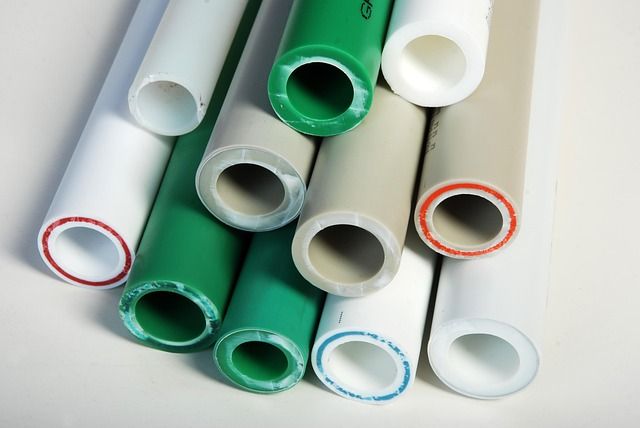
The Moomoo website cites research data from Future Market Insights, which shows that the barrier packaging market is expected to reach US$94.5 billion by 2036 [News 5]. This growth is primarily driven by regulatory compliance and the industry's shift toward sustainable materials. As consumers and governments increase their demand for environmentally friendly materials, more manufacturing companies are beginning to explore the use of recyclable or biodegradable barrier packaging materials. This is not only in line with the global trend of sustainable development, but also brings new business opportunities to related companies.
in conclusion
Based on the above reports, it can be seen that sustainable manufacturing is becoming an irreversible trend. From the green transformation initiated by enterprises to the strong support of government policies, coupled with the advancement of materials science, all aspects are actively promoting this change. It is believed that as time goes by, greener, more efficient and sustainable production methods will become mainstream, which will not only help protect the environment, but also bring long-term competitiveness to enterprises.
📰 Reference source
- Leading the turning point in sustainable manufacturing - Flextronics- Flextronics (2026-04-21)
- Sustainability Lighthouse Factory in Fürth - Siemens- Siemens (2026-02-13)
- New Finance Policy to Boost Green Factory Growth - China Science and Technology Network- China Science and Technology Network (2025-12-26)
- The Top of the Material Chain - Advanced Coatings to Critical Minerals - IDTechEx- IDTechEx (2026-04-16)
- Barrier Packaging Market to Reach $94.5 Billion by 2036 Driven by Regulatory Compliance and Shift to Sustainable Materials | Future Market Insights- Moomoo (2026-04-22)
FAQ
Why is sustainable manufacturing a new trend in industrial development?
With the increasing global attention to environmental issues, reducing resource consumption and environmental pollution has become a corporate social responsibility and development direction, so sustainable manufacturing has become a new trend in industrial development.
What steps has Flextronics taken with regard to sustainable manufacturing?
Flextronics announced a series of innovations around the world aimed at reducing resource consumption and environmental pollution in production processes, including improving production processes and working with suppliers and customers to build green supply chain systems.
How can Siemens' Fürth plant be sustainable?
Siemens has achieved significant reductions in energy consumption, significant increases in production efficiency, and reduced negative environmental impacts at its facility in Fürth, Germany, through the use of advanced energy management systems, intelligent production process optimization technologies, and recycled materials.
What financial policies has the Chinese government introduced to support the development of green factories?
The Chinese government has introduced financial policies, including low-interest loans and tax incentives, aimed at encouraging and supporting the construction and development of green factories, helping to reduce the carbon footprint in industrial production and promoting the recycling of resources.
How large is the barrier packaging market expected to be by 2036? What are the drivers?
The market for barrier packaging is expected to reach $94.5 billion by 2036. This growth is primarily driven by regulatory compliance and the industry's shift to sustainable materials, especially as consumer and government demand for eco-friendly materials increases.