
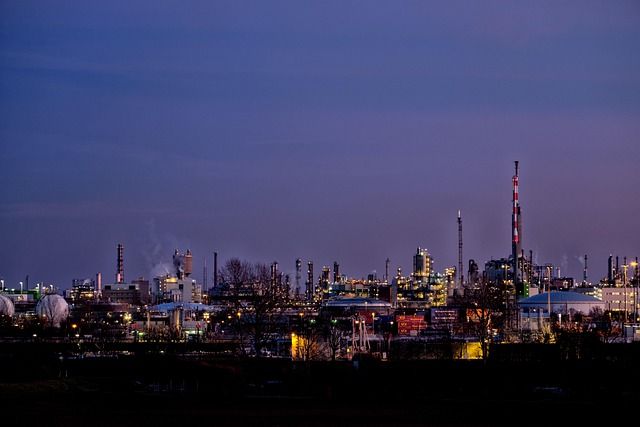
New trends in industrial energy efficiency improvement and global market trends
introduction
As the world attaches increasing importance to sustainable development, the improvement of industrial energy efficiency has become a common focus of governments, enterprises and scientific research institutions around the world. Recently, a series of policy trends and technological innovations regarding energy efficiency improvements have brought new impetus to energy conservation and emission reduction in the industrial sector. This article will explore new trends in industrial energy efficiency and global market dynamics based on recent news reports.
Technological innovation leads to improvement of industrial energy efficiency
Next generation energy saving solutions
According to China Science and Technology Network, technological innovation is one of the key factors in promoting energy efficiency improvements. With the continuous research and development of new materials and new processes, the energy efficiency level in the industrial field is gradually improving. The application of these new technologies not only helps reduce energy consumption in industrial production processes, but also effectively reduces pollutant emissions, contributing to achieving carbon peak and carbon neutrality goals.
Fürth Sustainable Development Lighthouse Factory
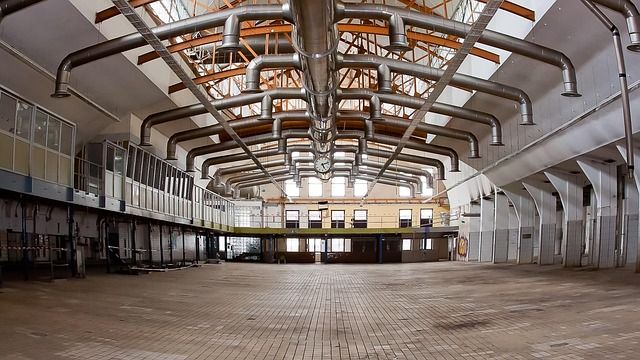
The Fürth sustainable development lighthouse factory launched by Siemens achieves efficient energy consumption management in the production process through the application of intelligent technology. The factory not only reaches the industry-leading level in terms of energy efficiency, but also sets an example in environmental protection and sustainable development, becoming a rising star in the industry. This shows that through intelligent transformation, traditional industrial production lines can regain new vitality, which is of great significance to promoting the energy efficiency improvement of the entire industry.
Policy support strengthens industry orientation
In addition to technological innovation, government policies are also an important force in promoting improvements in industrial energy efficiency. In the Earth Day document released on April 22, 2026, the importance of "energy efficiency and carbon emission reduction efforts" was emphasized. The document points out that by strengthening energy efficiency management, we can not only reduce energy consumption, but also effectively reduce carbon emissions, which will play a positive role in combating global climate change.
European industrial electricity prices approved by European Commission
According to Taylor Wessing’s report, the European Commission recently approved adjustments to electricity prices for European industrial enterprises. This decision aims to encourage companies to use more efficient energy usage and reduce their carbon footprint through a reasonable electricity price mechanism, thereby promoting Europe's overall sustainable development goals. The industrial electricity price adjustment policy reflects Europe’s determination and actions in promoting industrial green development.

Waste heat utilization and district cooling: driving sustainable cooling market growth
Moomoo released a message predicting that the global absorption chiller market will reach US$2.98 billion by 2036. This growth trend is mainly due to the popularization and application of waste heat utilization and district cooling technology. The promotion of these technologies can not only effectively reduce energy waste in the industrial production process, but also provide greener and more environmentally friendly refrigeration solutions, which is of great significance to the improvement of industrial energy efficiency and sustainable development.
in conclusion
Based on the above information, it can be seen that through the joint action of technological innovation, policy guidance and market mechanisms, the improvement of industrial energy efficiency has become a global trend. In the future, with the development and application of more efficient and energy-saving technologies and the continuous optimization of the policy environment, the sustainable development of the industrial field will reach a new level. Enterprises and governments need to further deepen cooperation, jointly explore and implement energy efficiency improvement solutions suitable for their own development, and contribute more to building a green and low-carbon earth.
📰 Reference source
- Next-Gen Energy-saving Solutions- China Science and Technology Network (2026-04-09)
- Industrial electricity price: Approval by the European Commission (as of April 2026)- Taylor Wessing (2026-04-24)
- The global absorption chiller market is expected to reach $2.98 billion by 2036, with waste heat utilization and regional cooling driving the adoption of sustainable cooling.- Moomoo (2026-04-22)
- Earth Day document on "Energy Conservation and Carbon Reduction Work"; Reactions to Takaichi's Yasukuni Shrine offering; BHP's deal with CMRG; match Act- Sinocism | Bill Bishop (2026-04-22)
- Fürth Sustainable Lighthouse Factory- Siemens (2026-02-13)
FAQ
What role does technological innovation play in improving industrial energy efficiency?
Technological innovation is one of the key factors driving industrial energy efficiency. Through the continuous research and development of new materials and new processes, the level of energy efficiency in the industrial field is gradually improving. The application of new technologies can not only help reduce energy consumption in industrial production processes, but also effectively reduce pollutant emissions, helping to achieve carbon peak and carbon neutrality goals.
What is the Fürth Sustainability Lighthouse Factory and what is its significance?
The Fürth Sustainable Lighthouse Plant was launched by Siemens to achieve high-efficiency energy consumption management in the production process through the application of intelligent technology. The plant has not only achieved industry-leading levels in energy efficiency, but has also set an example in environmental protection and sustainability, becoming a rising star in the industry. This shows that through intelligent transformation, traditional industrial production lines can be revitalized, which is of great significance to promote energy efficiency improvement in the entire industry.
What was highlighted in the Earth Day document released on April 22, 2026?
The importance of “energy efficiency and carbon reduction efforts” was highlighted in the Earth Day document. The document points out that by strengthening energy efficiency management, not only energy consumption can be reduced, but also carbon emissions can be effectively reduced, which has a positive effect on combating global climate change.
What are the objectives of the European Commission's adjustment policy on electricity prices for European industrial enterprises?
The European Commission's adjustment of the electricity price for European industrial enterprises aims to promote the European sustainable development goals as a whole by encouraging enterprises to adopt more efficient energy use and reduce their carbon footprint through a reasonable electricity price mechanism. This policy reflects Europe's determination and action in promoting green industrial development.
How have waste heat utilization and regional cooling technologies contributed to the growth of the global absorption chiller market?
The popularity and application of waste heat utilization and regional cooling technology are the main factors driving the growth of the global absorption chiller market. According to Moomoo, this market is expected to reach $2.98 billion by 2036. These technologies can not only effectively reduce energy waste in industrial production processes, but also provide greener and environmentally friendly refrigeration solutions, which is of great significance for the improvement of industrial energy efficiency and sustainable development.