

Latest progress and future trends in industrial energy efficiency
introduction
As global attention to sustainable development continues to deepen, industrial energy efficiency has become one of the important indicators for measuring industry development. From the revision of energy efficiency requirements for data centers, to the launch of a new generation of energy-saving solutions, to the implementation of sustainable industrial projects, and the rapid growth of the global absorption chiller market, this field is ushering in unprecedented changes. This article will comprehensively analyze several important news in April 2026 and explore the latest progress and future trends in the field of industrial energy efficiency.
Revisions to Data Center Energy Efficiency Requirements
According to Taylor Wessing’s report, the European Union has revised the Energy Efficiency Act, setting stricter standards specifically for data centers. This revision aims to reduce data center energy consumption and promote environmentally sustainable development by improving energy efficiency standards. Specific measures include strengthening energy efficiency monitoring and reporting mechanisms, encouraging the use of renewable energy, and promoting high-efficiency equipment and optimizing data processing technology.
The launch of a new generation of energy-saving solutions
Report from China Science and Technology Network
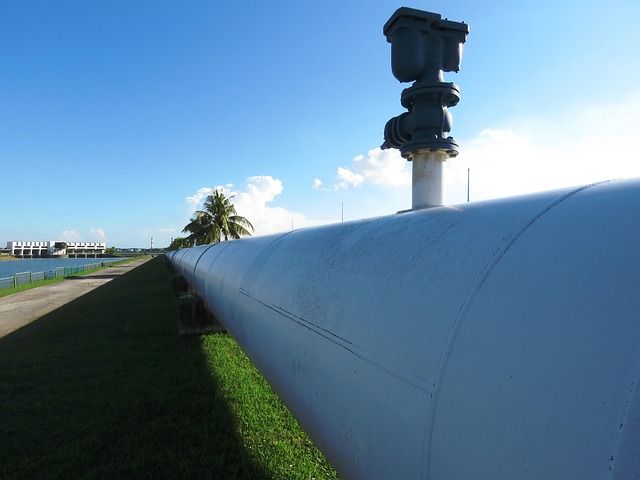
China Science and Technology Network reports that domestic scientific research institutions have cooperated with enterprises to develop a series of advanced industrial energy-saving technologies, which cover many aspects from material science to intelligent control systems. This new generation of solutions not only offers breakthroughs in energy efficiency, but also excels in cost-effectiveness and environmental friendliness. For example, some new technologies achieve significant energy savings without requiring large initial investments by optimizing energy management and using high-performance materials.
Implementation of sustainable industrial projects
Sustainability Lighthouse Factory in Fürth - Siemens
In its official press release, Siemens presented the construction and operation of the sustainable lighthouse factory in Fürth. The factory not only adopts the latest energy efficiency technology, but also achieves efficient recycling of waste materials and waste heat during the production process, greatly reducing environmental impact. Siemens said that this project is not only in response to the EU's requirements for improving industrial energy efficiency, but also part of the company's own sustainable development strategy.
Global absorption chiller market growth prospects
Moomoo's market research report points out that the global absorption chiller market is expected to reach US$2.98 billion by 2036, with a significant annual compound growth rate. This growth is mainly due to the promotion of waste heat utilization and district cooling technologies, which can effectively reduce energy consumption and carbon emissions in industrial production. The report also mentioned that as the global awareness of environmental protection increases, more and more industrial companies are beginning to adopt absorption chillers to achieve a more sustainable operating model.

EU approval of industrial electricity prices
Also reporting from Taylor Wessing, the European Commission approved a new industrial electricity price policy in April 2026. The policy aims to encourage industrial companies to adopt more energy efficiency solutions and technologies by reducing electricity prices to reduce overall energy consumption and carbon footprint. The implementation of the policy will help promote the green transformation of the industrial sector while reducing the financial burden on enterprises.
in conclusion
Based on the above news reports, it can be seen that progress and changes in the field of industrial energy efficiency are accelerating. From policy promotion to technological innovation to positive market response, this trend will not only help improve energy efficiency and reduce costs, but will also have a positive impact on environmental protection. In the future, with the application of more sustainable technologies and policy support, greater breakthroughs are expected in the field of industrial energy efficiency.
📰 Reference source
- Revision of energy efficiency requirements for data centers: an overview of the amendment to the Energy Efficiency Act-Taylor Wessing (April 29, 2026)
- Next-Gen Energy-saving Solutions- China Science and Technology Network (April 9, 2026)
- Fürth Sustainable Development Lighthouse Factory- Siemens (February 13, 2026)
- The global absorption chiller market is expected to reach US$2.98 billion by 2036, with waste heat utilization and district cooling driving the adoption of sustainable refrigeration.- Moomoo (April 22, 2026)
- Industrial electricity price: Approval by the European Commission (as of April 2026)-Taylor Wessing (April 24, 2026)
❓ FAQ
What specific measures are included in the EU’s latest revision of data center energy efficiency requirements?
The EU's revision of the Energy Efficiency Law sets stricter standards for data centers. Specific measures include strengthening energy efficiency monitoring and reporting mechanisms, encouraging the use of renewable energy, and promoting high-efficiency equipment and optimizing data processing technology.
What are the characteristics of the new industrial energy-saving technologies reported by China Science and Technology Network?
The new industrial energy-saving technologies reported by China Science and Technology Network cover many aspects from material science to intelligent control systems. These technologies not only make breakthroughs in energy efficiency, but also perform well in terms of cost-effectiveness and environmental friendliness. For example, through optimizing energy management and using high-performance materials, significant energy-saving effects are achieved without requiring large initial investments.
How does the Fürth Sustainable Development Lighthouse reduce its environmental impact?
The sustainable lighthouse factory in Fürth significantly reduces its environmental impact by using the latest energy efficiency technologies and efficiently recycling waste materials and waste heat during the production process.
What are the factors driving the growth of the global absorption chiller market?
The growth of the global absorption chiller market is mainly due to the promotion of waste heat utilization and district cooling technologies, which can effectively reduce energy consumption and carbon emissions in industrial production.
What is the purpose of the new industrial electricity tariff policy approved by the European Commission?
The new industrial electricity price policy approved by the European Commission aims to encourage industrial enterprises to adopt more energy efficiency solutions and technologies by lowering electricity prices to reduce overall energy consumption and carbon footprint, while reducing the financial burden on enterprises and promoting the green transformation of the industrial sector.