

Improving industrial energy efficiency: global trends and Chinese practice
introduction
As the global energy crisis and environmental problems become increasingly severe, improving industrial energy efficiency has become a common goal for governments and enterprises around the world. As the world's second largest economy, China is also taking a series of measures to promote energy efficiency improvements in the industrial sector. This article integrates multiple news reports and analyzes the current status and future trends of industrial energy efficiency improvement from multiple perspectives such as technological innovation, corporate practice, and government policies.
Technological innovation leads the future
Next generation energy saving solutions
China Science and Technology Network reported that the next generation of energy-saving solutions is developing rapidly. These solutions not only include energy efficiency improvement technologies in the traditional sense, but also cover new technologies such as intelligent control systems and efficient energy management software. Through the application of these technologies, companies can achieve more precise control of energy use, thereby achieving energy conservation and emission reduction.
Corporate practices drive change
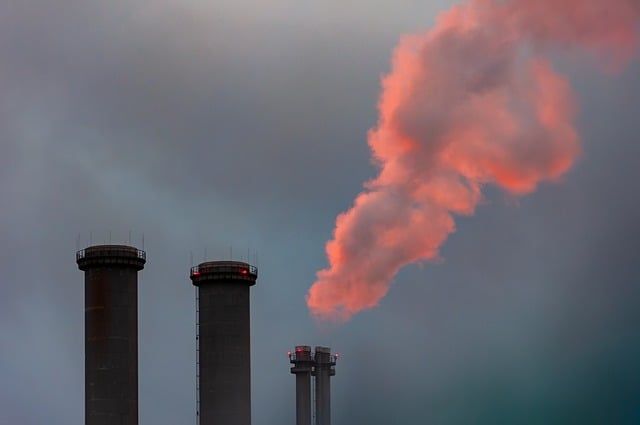
Fürth: a lighthouse factory for sustainability
Siemens announced on its official website that the Fürth plant has been named a "Lighthouse Factory for Sustainability" for its innovations in energy efficiency management, environmental protection technology and smart production. By deploying advanced energy efficiency monitoring systems and optimizing production processes, Siemens has significantly reduced energy consumption and improved production efficiency, setting an example for improving energy efficiency in the manufacturing industry worldwide.
Government policy support
According to a report by "Sinocism | Bill Bishop" on April 22, 2026, the Chinese government released a document titled "Energy Conservation and Carbon Emission Reduction Work" on Earth Day. This document emphasizes the importance of energy conservation and carbon emission reduction and proposes a number of measures to support the development of related industries. This demonstrates the government’s determination and support for improving industrial energy efficiency and promoting sustainable development.
International cooperation and cases
Global Trends in Absorption Chiller Market
Futu Niu Niu pointed out in a report on April 22, 2026 that the global absorption chiller market is expected to reach US$2.98 billion by 2036. This growth is mainly due to the promotion of waste heat utilization and district cooling technology. As one of the world's major manufacturing bases, China will play a key role in this market trend by introducing and developing advanced absorption refrigeration technology to further improve industrial energy efficiency.

Energy efficiency improvement cases in the maritime industry
Xinde Maritime Network reported that Silverstream Technologies, an international shipping emission reduction technology company, has ushered in a new development milestone - the joining of Guy Platten. Mr. Platten has extensive experience in energy conservation and emission reduction in the shipping industry. His joining will further strengthen Silverstream Technologies’ capabilities in providing high-efficiency ship energy-saving technologies. This is of great significance to promoting energy efficiency improvements in the entire maritime industry, and is also a typical case of international cooperation promoting technological progress.
Summarize
From technological innovation to corporate practice, from government policy support to international cooperation, the improvement of industrial energy efficiency has become the focus of global attention. China has demonstrated strong vitality and innovative capabilities in this field. It not only promotes the development and application of related technologies domestically, but also plays an increasingly important role on the international stage. As the world continues to pursue sustainable development goals, it is expected that the field of industrial energy efficiency will continue to usher in more innovation and development.
📰 Reference source
- Next-Gen Energy-saving Solutions- China Science and Technology Network (2026-04-09)
- Fürth Sustainable Development Lighthouse Factory- Siemens (2026-02-13)
- Earth Day document on "Energy Conservation and Carbon Reduction Work"- Sinocism | Bill Bishop (2026-04-22)
- Guy Platten joins Silverstream Technologies- 信德海事网 (2025-09-23)
- 全球吸收式制冷机市场预计到2036年将达到29.8亿美元,废热利用和区域供冷推动可持续制冷的采用。- 富途牛牛 (2026-04-22)
❓ FAQ
为什么提高工业能效成为了全球关注的焦点?
随着全球能源危机和环境问题的日益严峻,提高工业能效成为了各国政府和企业的共同目标,因为它不仅能帮助企业降低成本,还能减少环境污染,促进可持续发展。
中国在工业能效提升方面采取了哪些措施?
中国采取了一系列措施来提升工业领域能效,包括推动技术创新、支持能效管理与环保技术的应用、优化生产流程、政府发布相关支持政策等。
什么是‘可持续发展灯塔工厂’?
'可持续发展灯塔工厂'是指在能效管理、环保技术和智能生产方面表现突出,被评为能够引领行业可持续发展的模范工厂。例如,西门子的菲尔特工厂就凭借其在能效管理方面的创新获得了这一称号。
中国政府在地球日发布的‘能源节约与碳减排工作’文件中提出了哪些具体措施?
这份文件强调了节能和碳减排的重要性,并提出了多项支持措施,如加大技术研发投入、推广高效节能技术和产品、实施能效提升项目等,旨在支持相关行业的发展。
中国如何在提升全球吸收式制冷机市场上发挥作用?
中国作为世界上的主要制造业基地之一,通过引进和开发先进的吸收式制冷技术,将在此市场的增长中发挥关键作用,有助于废热利用和区域供冷技术的推广,进而提升工业能效。