
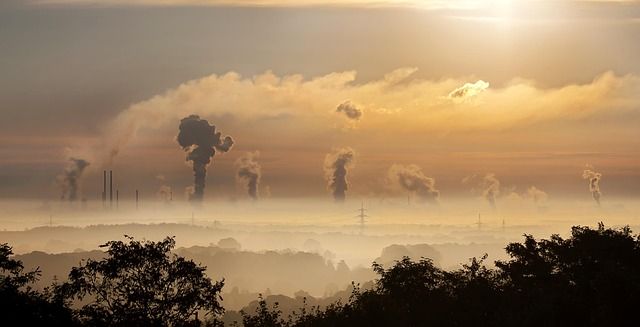
Global industrial energy efficiency trends: regulatory updates and technological innovation lead green transformation
introduction
Recently, many countries and regions around the world have released the latest policies and technological innovations on industrial energy efficiency, aiming to promote low-carbon, efficient and sustainable development in the industrial sector. This article will focus on these developments and analyze their impact on industry development.
Policy updates
Revision of the European Energy Efficiency Act: Increased data center energy efficiency requirements
Taylor Wessing reports that the European Parliament has passed amendments to the Energy Efficiency Act, specifically adjusting the energy efficiency requirements for data centers. This revision is designed to respond to the rapidly growing demand for data center power and reduce its environmental impact. The revised bill requires data centers to take more stringent energy efficiency measures, such as optimizing cooling systems and improving energy efficiency, to achieve energy conservation and emission reduction goals. The implementation of the bill is expected to have a profound impact on data center operations in Europe and around the world.
EU industrial electricity price reform approved
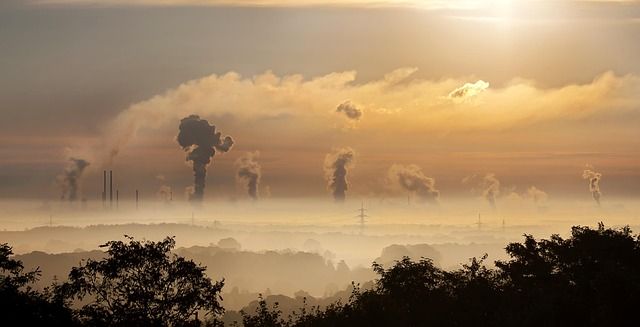
Also from Taylor Wessing, the European Commission approved a proposal on industrial electricity prices in April, aiming to reduce energy costs for industrial enterprises while promoting energy efficiency. This proposal allows member states to provide financial support to eligible energy-intensive industries, mitigate the impact of energy price fluctuations on their operations, and encourage companies to adopt more advanced energy-saving technologies. Industrial electricity price reform is an important part of the EU's green transformation strategy and is conducive to the long-term sustainable development of enterprises.
technological innovation
China's new generation of energy-saving solutions
According to China Science and Technology Network, domestic scientific research institutions and enterprises have jointly developed a set of next-generation energy-saving solutions suitable for the industrial field. This solution comprehensively utilizes Internet of Things technology, big data analysis and artificial intelligence algorithms to achieve refined management and optimization of energy consumption in the industrial production process. By deploying this system, companies can not only significantly reduce energy costs, but also effectively reduce carbon emissions and improve market competitiveness. This marks that China has made important progress in the field of industrial energy efficiency technology.
Siemens sustainable development lighthouse factory
Siemens announced that its factory in Fürth, Germany, has become a new "sustainability lighthouse factory." The factory uses a number of innovative technologies such as green building standards, smart energy management systems and renewable energy generation to achieve the goal of zero carbon emissions. Siemens officials stated that this model will be promoted globally in the future, leading the manufacturing industry to develop in a more environmentally friendly direction. The successful demonstration of the Fürth factory has a positive leading role in energy conservation and emission reduction in the industry.

Dual drivers of policy and technology
It can be seen from the above dynamics that the improvement of industrial energy efficiency has become a common focus of the international community, whether at the policy level or the technical level. On the one hand, the government guides and supports industrial enterprises to accelerate energy efficiency transformation by promulgating relevant regulations and subsidy policies; on the other hand, technological innovation continues to provide new impetus for energy efficiency improvements, helping enterprises to reduce operating costs while enhancing their environmental attributes and social responsibility.
in conclusion
As the global awareness of environmental protection increases, industrial energy efficiency issues have become increasingly prominent. Governments and enterprises of various countries are jointly promoting green development in the industrial field by strengthening policy guidance and technological innovation. In the future, we have reason to believe that driven by both policy and technology, industrial production will become more efficient and low-carbon, contributing to the achievement of global climate goals.
📰 Reference source
- Amending energy efficiency requirements to apply to data centers: Overview of amendments to the Energy Efficiency Act-Taylor Wessing (April 29, 2026)
- Next generation energy saving solutions- China Science and Technology Network (April 9, 2026)
- Fürth Sustainable Development Lighthouse Factory- Siemens (February 13, 2026)
- "Earth Day Document on "Energy Saving and Emission Reduction Work""; Takaichi Sanae's reaction to the Yasukuni Shrine offering; BHP and CMRG deal; MATCH Act- Sinocism | Bill Bishop (April 22, 2026)
- Industrial electricity prices: European Commission approval (until April 2026)-Taylor Wessing (April 24, 2026)
❓ FAQ
What impact will changes to the European Energy Efficiency Act have on data centers?
The European Parliament passed amendments to the Energy Efficiency Act, specifically adjusting the energy efficiency requirements for data centers. The revised bill requires data centers to take more stringent energy efficiency measures, such as optimizing cooling systems and improving energy efficiency, to reduce their impact on the environment.
What are the main contents of the EU industrial electricity price reform?
The proposed reform of industrial electricity prices approved by the European Commission aims to reduce energy costs for industrial companies while promoting energy efficiency improvements. This proposal allows member states to provide financial support to eligible energy-intensive industries, mitigate the impact of energy price fluctuations on their operations, and encourage companies to adopt advanced energy-saving technologies.
What technologies are used in China’s new generation of energy-saving solutions?
China's new generation of energy-saving solutions comprehensively uses Internet of Things technology, big data analysis and artificial intelligence algorithms to achieve refined management and optimization of energy consumption in industrial production processes, helping enterprises to reduce energy costs and carbon emissions.
How does Siemens’ Fürth plant achieve its zero-carbon emissions goal?
Siemens' factory in Fürth, Germany, is committed to achieving zero carbon emissions by adopting a number of innovative technologies such as green building standards, intelligent energy management systems and renewable energy generation. This model will be promoted globally in the future and will play a positive leading role in energy conservation and emission reduction in the industry.
What are the international trends in improving industrial energy efficiency?
Internationally, improving industrial energy efficiency has become a common focus. The government has introduced regulations and subsidy policies to guide and support industrial enterprises to accelerate energy efficiency transformation. Technological innovation continues to provide new impetus for energy efficiency improvement, helping enterprises to reduce operating costs while enhancing their environmental protection attributes and social responsibility.