
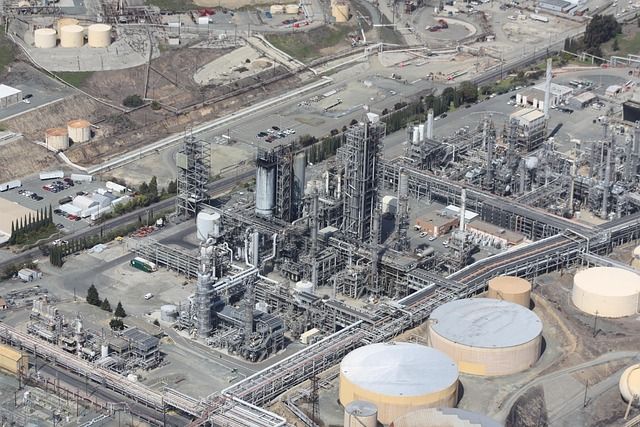
A new era of industrial energy efficiency: technological innovation and policy support jointly promote green transformation
Preface
As the world pays increasing attention to sustainable development goals, improving industrial energy efficiency has become a key issue for the development of various industries. Recently, both technological innovation and policy support are accelerating the green transformation of the industrial sector towards low carbon and energy conservation. This article will deeply explore the latest trends in industrial energy efficiency from three aspects: technological innovation, policy support, and typical cases.
Technological innovation leads industrial energy efficiency to new heights
Next generation energy saving solutions
China Science and Technology Network reported on the latest progress in next-generation energy-saving solutions. These solutions not only provide huge room for energy efficiency improvement in theory, but also show strong vitality in practical applications. They use advanced materials and technologies, such as high-efficiency motors, intelligent control systems, etc., to reduce energy waste in industrial production processes and improve energy usage efficiency.1
The road to low carbon and energy saving in manufacturing industry
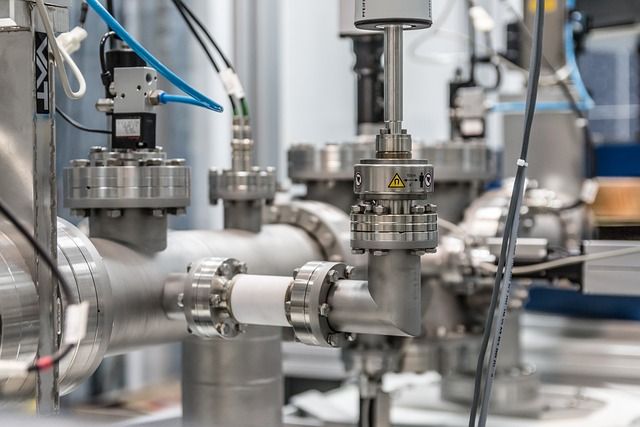
Siemens pointed out in its article that the manufacturing industry is ushering in a new era - a development model that attaches equal importance to low carbon and energy conservation. By introducing more intelligent and digital technologies, companies can achieve refined management of the production process, thereby effectively reducing energy consumption and greenhouse gas emissions, in line with international requirements for green development.2
Increased policy support and the rapid rise of green factories
In response to the challenge of global climate change, governments around the world have introduced relevant policies to support the green transformation of the industrial sector. China's measures are particularly noteworthy.
Green factory financial policy support
China Science and Technology Network reported on the new round of financial policies launched by the Chinese government, which aims to encourage and support companies to establish and develop green factories by providing financial subsidies, tax incentives, etc. This not only helps ease the initial investment pressure on companies, but is also a concrete manifestation of the government's commitment to sustainable development.5
European Commission approves industrial electricity price policy
According to Taylor Wessing, the European Commission recently approved a policy for industrial electricity prices, aiming to provide industrial enterprises with a more stable and preferential electricity price environment, thereby encouraging more industrial sectors to adopt high-efficiency equipment and technologies and reduce energy consumption.3

Typical Case Analysis: Green Practices at Siemens Fürth Factory
Siemens' Fürth factory is a typical green factory case. It not only reaches the industry-leading level in energy efficiency, but also sets a new benchmark in the field of sustainable development. Through a comprehensive digital transformation of the production process, the Fürth factory achieved a significant reduction in energy consumption while improving product quality, demonstrating the possibility and necessity of industrial green transformation.4
in conclusion
Improving industrial energy efficiency is one of the important ways to achieve sustainable development goals. Both technological innovation and policy support are driving this process. In the future, as more companies join the ranks of green transformation, the industrial field is expected to form a more environmentally friendly and efficient industrial ecosystem.
📰 Reference source
- Next-Gen Energy-saving Solutions- China Science and Technology Network (Thu, 09 Apr 2026 07:00:00 GMT)
- A new era of manufacturing: low carbon and energy saving- Siemens (Fri, 13 Feb 2026 12:12:19 GMT)
- Industrial electricity price: Approval by the European Commission (as of April 2026)- Taylor Wessing (Fri, 24 Apr 2026 13:16:03 GMT)
- Fürth Sustainable Lighthouse Factory- Siemens (Fri, 13 Feb 2026 15:15:01 GMT)
- New Finance Policy to Boost Green Factory Growth- China Science and Technology Network (Fri, 26 Dec 2025 08:00:00 GMT)
FAQ
How does the global focus on the SDGs affect industrial energy efficiency?
With the increasing global attention to the Sustainable Development Goals, industrial energy efficiency has become a key issue for the development of various industries. Technological innovation and policy support are accelerating the green transformation of the industrial sector towards low-carbon and energy-saving.
What are the features of next-generation energy-saving solutions?
The next generation of energy-saving solutions uses advanced materials and technologies, such as high-efficiency motors, intelligent control systems, etc., to reduce energy waste in industrial production processes, improve energy use efficiency, provide huge energy efficiency improvement space, and show strong vitality in practical applications.
What policies does the government have in place to support green transformation in the industrial sector?
China Science and Technology Network reported on the new round of financial policies launched by the Chinese government to encourage and support enterprises to build and develop green factories by providing financial subsidies, tax incentives and other means. At the same time, the European Commission recently approved a policy on industrial electricity prices aimed at providing industrial enterprises with a more stable and favorable price environment.
What role does the Siemens Fürth plant play in the industrial green transition?
Siemens' Felt factory has achieved a significant reduction in energy consumption through a comprehensive digital transformation, while improving product quality, becoming an industry-leading green factory case, demonstrating the possibility and necessity of industrial green transformation.
What does the green transition in the industrial sector mean for the future industrial ecosystem?
Improving industrial energy efficiency is one of the important ways to achieve the Sustainable Development Goals. In the future, as more companies join the ranks of green transformation, the industrial sector will be expected to form a more environmentally friendly and efficient industrial ecosystem.