
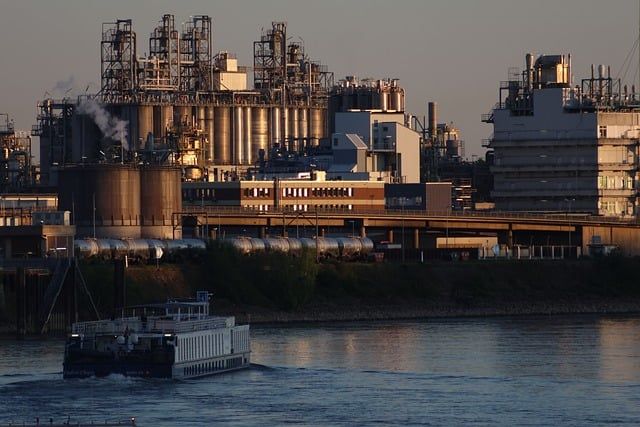
A new era of industrial energy conservation: the integration of green transformation and technological solutions
introduction
As the world attaches increasing importance to sustainable development, low-carbon and energy-efficiency improvements in the industrial sector have become the only way to go. From technological innovation to practical application, enterprises and scientific research institutions are working together to promote the arrival of a new era of industrial energy conservation. This article will explore some of the latest developments and cases in the current field of industrial energy efficiency, and the impact of these changes on the future of the industry.
Technological innovation leads to improvement of industrial energy efficiency
Next generation energy saving solutions
China Science and Technology Network reports on the latest developments in next-generation energy-saving solutions, emphasizing the importance of technology in improving industrial energy efficiency. With the application of advanced technologies such as artificial intelligence and big data, energy consumption in industrial production processes can be more refinedly managed, which not only improves production efficiency but also greatly reduces unnecessary energy waste.
Green revolution in manufacturing

Low carbon and energy saving
Siemens published an article on the new era of manufacturing on its official platform, which mentioned that with the increasing awareness of environmental protection, more and more manufacturing companies have begun to transform to low-carbon production and energy-saving technologies. Siemens itself plays an important role in this process, helping companies achieve significant improvements in energy efficiency by providing advanced automation and digital solutions.
Exploration of zero-carbon factories
China Daily introduced the concept of zero-carbon factory, which is a factory that aims to achieve zero carbon emissions. The article points out that some pioneer companies have successfully achieved this goal by adopting efficient energy management systems, utilizing renewable energy and implementing production process optimization and other measures. The promotion of zero-carbon factories not only helps reduce environmental pollution, but also brings new development opportunities to enterprises.
Case Study: Sustainable Lighthouse Factory
Siemens' Sustainable Lighthouse Factory in Feuerbach serves as a typical example of what is possible to achieve high efficiency and low emissions in modern manufacturing. According to Siemens, the factory has successfully reduced its carbon footprint in the production process by adopting intelligent energy management systems, optimizing production processes and extensive use of renewable energy, becoming a benchmark in the industry. This successful case not only proves the central role of technological innovation in promoting low-carbon production, but also provides valuable experience and inspiration for other companies.

future outlook
With the continuous advancement of technological innovation and the deepening emphasis on sustainable development, the improvement of industrial energy efficiency has become an inevitable trend in industry development. Close cooperation between enterprises and scientific research institutions can not only promote the research and development and application of new technologies, but also promote the green transformation of the entire industry. Facing the future, both industrialized and developing countries are faced with the challenge of how to effectively protect the environment and resources while maintaining economic growth. By learning from successful cases like the Fürth Lighthouse Factory, more industrial enterprises can embark on a green, efficient and sustainable development path.
Conclusion
Industrial energy conservation is not only a technical issue, but also a social responsibility related to the future of all mankind. From low-carbon production to the construction of zero-carbon factories, every step is inseparable from the support of technological innovation. It is expected that in the near future, the industrial field can make more breakthroughs in technology and practice, and jointly contribute to the realization of global sustainable development goals.
📰 Reference source
- Next-Gen Energy-saving Solutions- China Science and Technology Network (2026-04-09)
- A new era of manufacturing: low carbon and energy saving- Siemens (2026-02-13)
- "NextEpochMarket company introduction.gwg"- x.com (2026-05-12)
- 每日一词 | 零碳工厂 zero-carbon factory- 中国日报网 (2026-01-22)
- 菲尔特可持续发展灯塔工厂- Siemens (2026-02-13)
❓ FAQ
全球可持续发展的趋势对工业领域有何具体影响?
全球对可持续发展的重视不断增加,这导致工业领域必须向低碳生产和提高能效转型,从技术创新到实践应用,企业和科研机构正在共同努力,推动工业节能新时代的到来。
什么是下一代节能解决方案,它有什么特点?
下一代节能解决方案是指利用人工智能、大数据等先进技术来精细化管理工业生产过程中的能源消耗,不仅提高了生产效率,还大大减少了不必要的能源浪费。
零碳工厂的目标是什么,如何实现?
零碳工厂的目标是实现生产过程中碳排放为零。这一目标的实现通过采用高效的能源管理系统、利用可再生能源和实施生产过程优化等措施完成。
西门子菲尔特可持续发展灯塔工厂的成功经验是什么?
西门子的菲尔特可持续发展灯塔工厂通过采用智能能源管理系统、优化生产流程和广泛使用可再生能源,显著减少了生产过程中的碳足迹,成为行业内的标杆。
工业能效提升的未来发展方向是什么?
随着技术创新的不断进步和对可持续发展重视程度的加深,工业能效的提升已成为行业发展的必然趋势。未来的发展将依赖于企业与科研机构之间的紧密合作,共同推动新技术的研发和应用,促进整个行业的绿色转型。